
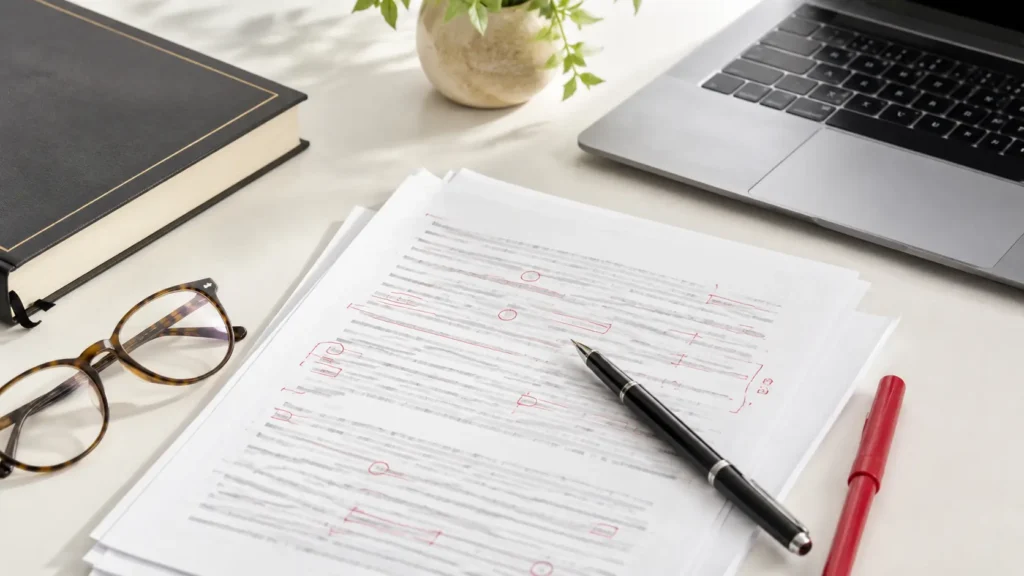
You’ve poured months, maybe years, into your manuscript. Now you’re staring at your book budget, wondering if hiring a professional editor is a smart investment – or an expense you could skip. The temptation to self-edit is real, especially if you’re managing costs. But what are the trade-offs? How much difference does professional editing actually make to your book’s quality, and is it worth carving out a significant portion of your publishing budget?
Understanding What Professional Book Editing Involves
Before weighing the value, it helps to know what you’re paying for. Professional editing goes far beyond running spellcheck or fixing a few typos. There are several types of editing, each with a specific focus:
- Developmental Editing: Looks at big-picture elements like structure, plot, pacing, character arcs, and theme.
- Line Editing: Focuses on sentence flow, clarity, and style.
- Copy Editing: Addresses grammar, punctuation, consistency, and factual accuracy.
- Proofreading: The final polish to catch lingering errors before publication.
Some editors specialize in one area, while others offer packages that combine several stages. Each step, from developmental editing to proofreading, contributes to manuscript quality improvement.
Is Professional Book Editing Worth It? Cost vs Value
Authors often weigh book editing cost vs value. Editing services pricing can vary widely, depending on the type of editing, the editor’s experience, manuscript length, and genre. Typical rates may range from $0.01 to $0.10 per word or $30 to $100 per hour. For a 70,000-word book, this can mean anywhere from $700 to $7,000 or more, depending on the depth of work and the editor’s reputation.
That’s a substantial investment. But what do you get in return?
- Professional polish: A well-edited book stands out for its clarity, coherence, and readability. Readers notice.
- Credibility: Clean, error-free writing builds trust with your audience. Typos and plot holes can undermine your authority, especially in nonfiction.
- Marketability: Books with strong editing are more likely to attract agents, publishers, and positive reviews.
- Reader experience: Smooth prose keeps readers engaged and reduces negative feedback.
While editing doesn’t guarantee bestseller status, it does give your book a fighting chance in a crowded market. If your goal is to publish a book that represents your best work, professional editing is often the single most impactful investment you can make.
The Real Limitations of Self-Editing
Self-editing is a necessary part of the writing process. Every author should revise and refine their manuscript before seeking outside help. However, self-editing limitations become clear after a certain point:
- Blind spots: Familiarity with your own work makes it easy to overlook errors or inconsistencies.
- Subjectivity: It’s tough to judge pacing, character motivation, or clarity from the inside.
- Technical gaps: Grammar, punctuation, and style rules can be complex, especially across genres.
- Fatigue: After multiple drafts, your brain fills in missing words or skims over awkward sentences.
Even bestselling authors rely on outside editors to catch what they miss. Self-editing alone rarely brings a manuscript to professional standards.
Hiring an Editor: Benefits Beyond Error Correction
Hiring an editor brings more than just a cleaner manuscript. Here are some less obvious benefits:
- Objective feedback: Editors provide honest, constructive notes that friends or family may hesitate to give.
- Industry insights: Experienced editors understand publishing trends, reader expectations, and genre conventions.
- Skill development: Working with an editor helps authors recognize patterns in their writing and grow their craft.
- Time savings: A professional editor can often resolve issues in weeks that might take you months to untangle alone.
These benefits can be especially valuable for first-time authors or anyone aiming to publish a book that competes with traditionally published titles.
How to Decide If Professional Editing Fits Your Book Budget
Every author’s situation is different. Here’s a practical approach to making your decision:
- Clarify Your Goals: Are you publishing for personal satisfaction, to establish authority, or to reach a wide audience? The higher your publishing ambitions, the more editing matters.
- Assess Your Skills: How confident are you in your writing, grammar, and editing abilities? If you have a background in editing or writing, you may need less outside help, but few authors can self-edit at a professional level.
- Research Editing Services Pricing: Gather quotes from several editors or agencies. Compare what’s included – some offer only proofreading, while others provide developmental feedback, copy editing, and more.
- Prioritize Editing Types: If your budget is tight, consider which editing stage will have the most impact. For example, developmental editing can address big-picture issues early, while copy editing polishes the language.
- Look for Flexible Options: Some editors offer sample edits, payment plans, or à la carte services. This can help you manage costs without sacrificing quality.
- Consider Return on Investment: Think about the potential long-term value. A well-edited book can lead to more sales, better reviews, and future publishing opportunities.
Ultimately, the decision comes down to your publishing goals, skill level, and available resources.
Common Mistakes When Skipping Professional Editing
Authors sometimes try to save money by skipping editing or relying solely on friends and beta readers. Here are some common pitfalls:
- Negative reviews: Readers are quick to point out errors, plot holes, or confusing passages in public reviews.
- Missed publishing opportunities: Agents and publishers often reject manuscripts with obvious editing issues.
- Damaged reputation: A poorly edited book can make it harder to build a loyal readership or sell future titles.
- Hidden costs: Fixing errors after publication can be time-consuming and may require re-uploading files or issuing new editions.
While professional editing is an investment, skipping it can lead to costs – financial and reputational – that are harder to recover from later.
How to Get the Most From Your Editing Budget
If you decide editing is worth it, here are ways to stretch your budget:
- Self-edit thoroughly first: The cleaner your manuscript, the less time an editor will need to spend on basic fixes.
- Be clear about your needs: Communicate your goals, genre, and concerns up front to avoid unnecessary rounds of editing.
- Ask for a sample edit: Many editors will review a few pages for free or a small fee, helping you gauge their style and fit.
- Bundle services: Some agencies offer package deals that include multiple editing stages at a lower combined price.
- Work with reputable professionals: Check references, testimonials, and sample edits to ensure you’re getting what you pay for.
Who Might Not Need Full Professional Editing?
There are cases where a full suite of editing services may not be necessary. For example:
- You’re publishing a private memoir for family and friends and are comfortable with minor imperfections.
- You have strong editing experience and can handle most revisions yourself, perhaps hiring only a proofreader for a final check.
- Your book is short, highly visual, or not intended for commercial sale.
For most authors hoping to sell their book or build a professional reputation, however, professional editing is a wise investment.
Making the Decision: Is Professional Book Editing Worth It for You?
Every manuscript has unique needs, and every author faces different constraints. If you’re serious about publishing a book that stands out for its quality, clarity, and credibility, professional editing is rarely wasted money. The cost can be significant, but the value – measured in reader satisfaction, positive reviews, and publishing opportunities – often outweighs the initial investment.
If you’re ready to take the next step, consider exploring book editing services from experienced professionals who understand the demands of today’s publishing world.
Thoughtful editing can transform your manuscript from a draft into a book you’re proud to share with readers.
FAQs
How much does professional book editing typically cost?
Editing costs can vary widely, depending on the type of editing, manuscript length, and the editor’s experience. Rates may range from $0.01 to $0.10 per word or $30 to $100 per hour. Always request a detailed quote.
Can I get by with self-editing alone?
Self-editing is helpful, but most authors miss errors and inconsistencies in their own work. Professional editing provides objective feedback and a higher standard of quality.
What are the main benefits of hiring an editor?
Hiring an editor improves manuscript clarity, readability, and credibility. Editors also offer industry insights, objective feedback, and can help you grow as a writer.
Is it possible to hire an editor for just one type of editing?
Yes, many editors offer à la carte services. You can choose developmental editing, copy editing, or proofreading based on your manuscript’s needs and your budget.
